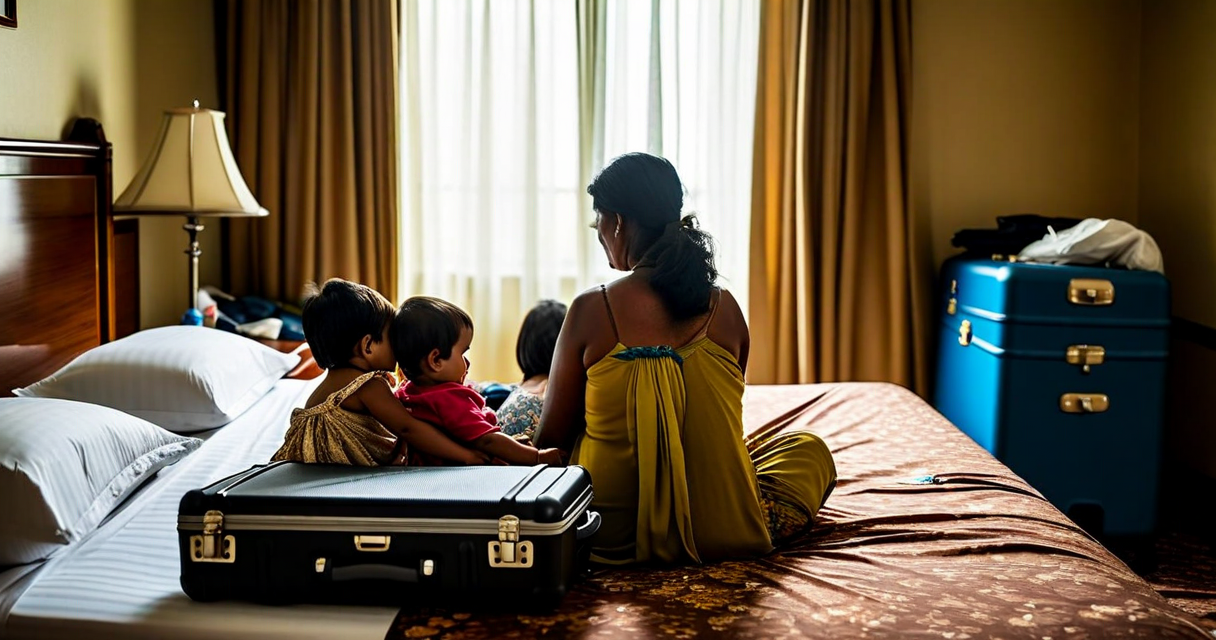
After a wildfire or flood forces you out of your home, two things happen almost simultaneously. Your insurer assigns an adjuster to assess the structural damage. And your family starts spending money — hotel nights, restaurant meals, laundry, storage, pet boarding — at a rate that will stun you when you total it up at month three.
Here's what most families don't know: your policy almost certainly covers all of it. Additional Living Expense coverage — called ALE, or sometimes Loss of Use — exists precisely to reimburse the incremental cost of living away from your home. It typically covers 20% of your dwelling coverage limit, and in many states it has no hard monthly cap.
And yet the average family we work with at Bright Harbor has claimed less than 40% of what they're actually entitled to by the time they first contact us. The gap is never intentional. It's a documentation failure that starts on day one and compounds every week.
What ALE Actually Covers
The precise scope of ALE coverage varies by policy, but the standard ISO HO-3 form — which most homeowner policies are based on — defines it as "any necessary increase in living expenses incurred by you so that your household can maintain its normal standard of living." That phrase "maintain its normal standard of living" is key and frequently misapplied.
ALE is not limited to the cheapest hotel in the area. It's meant to keep your family in comparable circumstances to what you had before. If you owned a 4-bedroom home and have three children, the insurer cannot reasonably expect you to live in a one-bedroom extended-stay unit. The "comparable" standard is established in most state insurance codes, and it matters.
Covered expenses typically include: temporary housing (hotel, rental, or short-term lease), restaurant meals above your normal food budget, laundry and dry cleaning, storage units for salvaged belongings, increased utility costs, pet boarding if your rental doesn't allow pets, mileage if temporary housing adds commute distance, and school transportation changes for children.
Why So Many Claims Come Up Short
The documentation problem usually starts within 72 hours of displacement. You're dealing with the shock of losing your home, coordinating with family members, talking to the adjuster, and trying to figure out where you're sleeping that night. Keeping receipts feels secondary. It isn't.
The insurer's ALE calculation works from the incremental cost principle. You don't get reimbursed for your full hotel bill — you get reimbursed for the difference between what the hotel costs and what you would have spent on food and housing at home. That means you need to be able to establish your pre-disaster baseline expenses, not just your post-disaster ones.
Bank statements from the three months before your disaster are your most important pre-disaster documentation. If you cannot show what you typically spent on groceries, utilities, and housing, the adjuster will estimate — and insurers' estimates tend to be conservative.
The 48-Hour Documentation Protocol
When Bright Harbor advocates work with new clients in the first 48 hours, we walk through the same documentation setup regardless of disaster type. Here's what we recommend for anyone starting this process.
Create a dedicated expense folder immediately. Use a free Google Drive folder or a physical envelope — whatever you'll actually use consistently. Every receipt from the moment you leave your home goes in. Hotel confirmation emails, restaurant receipts, gas station stops if you're driving farther than usual, veterinarian boarding invoices, storage facility contracts.
Log the date and reason for each expense. "Hotel — can't return to home due to wildfire, Zone 3 evacuation order active" is what your adjuster needs to see. "Hotel — Marriott, March 8" creates a gap they can use to deny the night.
Request a written ALE authorization letter from your insurer within the first week. Many families spend their own money for weeks before the insurer formally acknowledges ALE coverage. Get it in writing early and confirm whether the insurer will pay the hotel directly or reimburse you afterward — these are two very different cash flow situations.
Long-Term Rentals vs. Extended-Stay Hotels
For displacements lasting more than 30 days, a monthly rental apartment is almost always the better financial and practical choice over an extended-stay hotel. The math is usually clear: a 2-bedroom apartment at $2,200/month versus an extended-stay at $180/night ($5,400/month) is a difference of $3,200 per month that either goes back to you or extends your coverage period.
Your insurer should be amenable to approving a rental lease if the costs are comparable to or less than what the hotel alternative would cost. Get the rental in your ALE authorization before you sign the lease. A verbal agreement isn't enough.
One complication: rental availability in disaster-affected areas often collapses immediately after a major event. Hundreds of displaced families compete for a small rental stock, and prices spike accordingly. Document local market conditions — rental platform screenshots showing prevailing rates — if your insurer pushes back on rental cost claims.
When ALE Coverage Ends
ALE coverage runs until your home is rebuilt to its pre-loss condition, or until you reach the policy's time limit — whichever comes first. Time limits vary widely. Some policies cap ALE at 12 months, others at 24, and a small number have no time limit at all. Check your declarations page for the specific language.
The time limit clock starts from the date of the loss, not the date of the claim. If you wait 60 days to file and have a 12-month ALE limit, you've already used 2 of those months.
If your rebuild is delayed — by contractor availability, permit backlogs, or material shortages — and you're approaching your ALE time limit, request a coverage extension in writing. Major disasters often trigger state-level guidance requiring insurers to extend ALE limits. Colorado, California, and Florida have all issued such guidance after recent wildfire and hurricane events. Your advocate or public adjuster should know whether your state has active guidance.
Recovering What You Already Spent
If you're reading this after the fact — you've already been displaced for weeks or months and haven't been tracking carefully — recovery is still possible. Bank statements, credit card records, and hotel loyalty program history can reconstruct most expenses. The challenge is linking each expense to the disaster displacement.
Write a timeline narrative: dates of evacuation, dates you could or couldn't return, dates the insurer authorized specific expenses. This narrative, paired with your financial records, gives an adjuster or public adjuster the framework to submit a retroactive ALE supplement.
At Bright Harbor, we've helped clients recover retroactive ALE supplements ranging from $4,000 to over $40,000 on claims that had already been paid out. The insurer's first payment is rarely the last one.
If you're currently displaced and not sure what your ALE coverage includes, reach out at help@brightharbor.us. We'll review your policy and tell you exactly what you're entitled to claim.